Empower School Girls and Adolescent
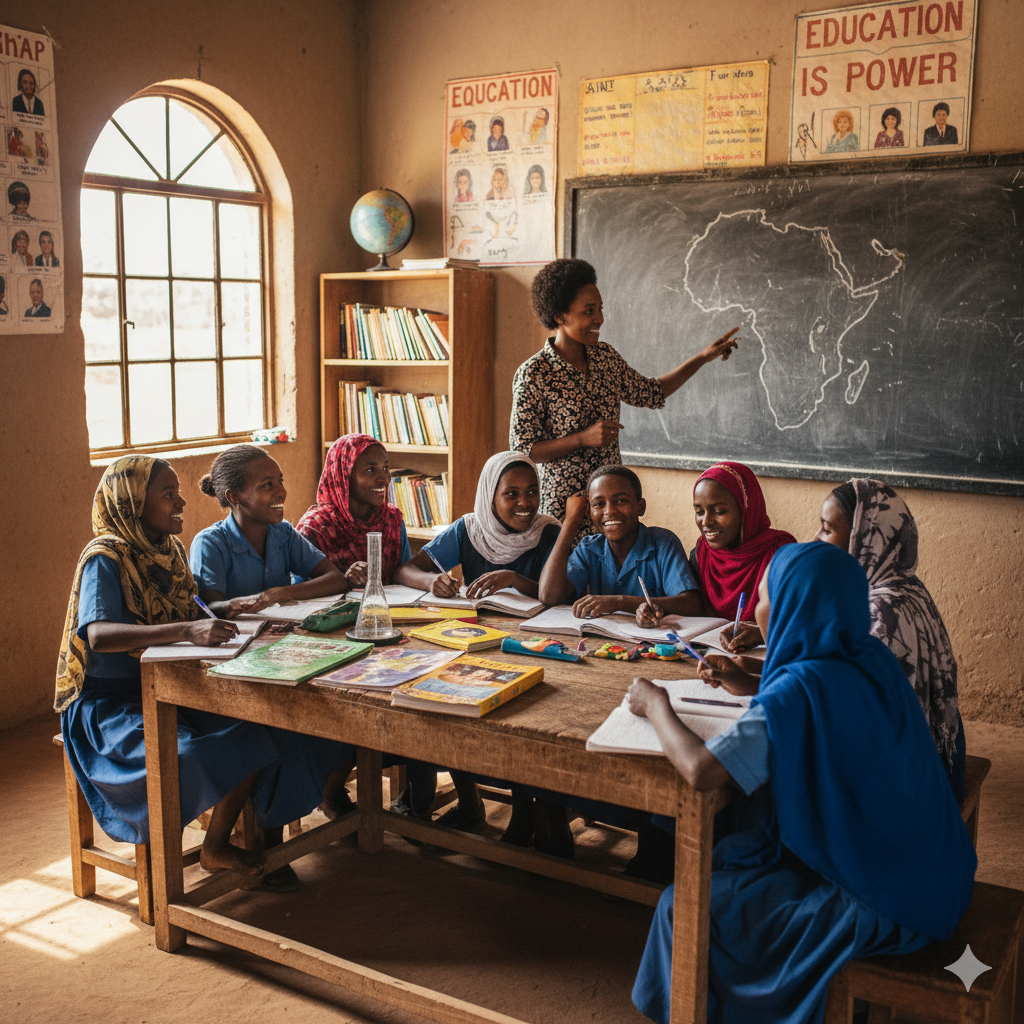
1. Education and Access:
Scholarship Programs: Providing financial assistance can help overcome economic barriers that prevent girls from attending or staying in school.
School Infrastructure: Building safe, accessible schools with proper sanitation facilities (especially separate latrines for girls) is crucial for attendance and retention.
Learning Materials: Ensuring access to textbooks, stationery, and other learning resources supports academic success.
Girls' Clubs and Mentorship: Creating spaces within schools for girls to support each other, discuss challenges, and connect with mentors can build confidence and leadership skills.
2. Health and Well-being:
Menstrual Hygiene Management (MHM): Educating girls and boys about menstruation, providing access to affordable sanitary products, and improving school WASH (Water, Sanitation, and Hygiene) facilities can reduce absenteeism.
Sexual and Reproductive Health (SRH) Education: Age-appropriate information about SRH, contraception, and preventing early pregnancy and STIs empowers girls to make informed decisions about their bodies and futures.
Nutritional Support: School feeding programs can improve girls' health, concentration, and attendance.
Mental Health Support: Providing counseling services and creating awareness about mental health can help girls cope with stress, trauma, and other psychological challenges.
3. Economic Empowerment:
Life Skills and Vocational Training: Equipping girls with practical skills (e.g., tailoring, IT, entrepreneurship) can enhance their employability and economic independence.
Financial Literacy: Teaching girls how to manage money, save, and invest can empower them to take control of their financial futures.
Micro-enterprise Support: For older adolescents, providing small loans or grants and business training can help them start their own income-generating activities.
4. Protection and Rights:
Ending Harmful Traditional Practices: Campaigns against child marriage, female genital mutilation (FGM), and other harmful practices are vital.
Gender-Based Violence (GBV) Prevention and Response: Educating communities about GBV, establishing safe reporting mechanisms, and providing support services for survivors are critical.
Legal Awareness: Informing girls about their rights and the laws that protect them can empower them to advocate for themselves.
Community Engagement: Involving parents, community leaders, and religious figures in discussions about girls' empowerment can foster a supportive environment.
Scholarship Programs: Providing financial assistance can help overcome economic barriers that prevent girls from attending or staying in school.
School Infrastructure: Building safe, accessible schools with proper sanitation facilities (especially separate latrines for girls) is crucial for attendance and retention.
Learning Materials: Ensuring access to textbooks, stationery, and other learning resources supports academic success.
Girls' Clubs and Mentorship: Creating spaces within schools for girls to support each other, discuss challenges, and connect with mentors can build confidence and leadership skills.
2. Health and Well-being:
Menstrual Hygiene Management (MHM): Educating girls and boys about menstruation, providing access to affordable sanitary products, and improving school WASH (Water, Sanitation, and Hygiene) facilities can reduce absenteeism.
Sexual and Reproductive Health (SRH) Education: Age-appropriate information about SRH, contraception, and preventing early pregnancy and STIs empowers girls to make informed decisions about their bodies and futures.
Nutritional Support: School feeding programs can improve girls' health, concentration, and attendance.
Mental Health Support: Providing counseling services and creating awareness about mental health can help girls cope with stress, trauma, and other psychological challenges.
3. Economic Empowerment:
Life Skills and Vocational Training: Equipping girls with practical skills (e.g., tailoring, IT, entrepreneurship) can enhance their employability and economic independence.
Financial Literacy: Teaching girls how to manage money, save, and invest can empower them to take control of their financial futures.
Micro-enterprise Support: For older adolescents, providing small loans or grants and business training can help them start their own income-generating activities.
4. Protection and Rights:
Ending Harmful Traditional Practices: Campaigns against child marriage, female genital mutilation (FGM), and other harmful practices are vital.
Gender-Based Violence (GBV) Prevention and Response: Educating communities about GBV, establishing safe reporting mechanisms, and providing support services for survivors are critical.
Legal Awareness: Informing girls about their rights and the laws that protect them can empower them to advocate for themselves.
Community Engagement: Involving parents, community leaders, and religious figures in discussions about girls' empowerment can foster a supportive environment.